
News
Ajen publishes a monthly newsletter, called AJENda, to keep colleagues aware of changes to the journalism landscape in Africa from an academic, research and professional point of view.

Debate on Trump 2.0 and the implications for Africa – Rethinking donor-funded journalism
USAID cuts have hit the media in Africa hard and worsened working conditions for journalists, who already struggle with low wages, harassment, and political repression. At the same time, power struggles between the West, China, and Russia over truth and discourse are increasingly influencing the future of African media landscapes.
New Publications in June 2025
Explore our latest list of new publications and articles that explore key themes shaping media and communication today. From African-centred scholarship and propaganda in the age of disinformation, to artistic resistance in SWANA regions and political communication from the margins, each work offers critical insights for scholars, students, and practitioners across the African and global communications research community.

Nelson Mandela University to host SACOMM 2025
All roads will lead to the Nelson Mandela University (NMU) in Gqeberha, South Africa, for the 2025 edition of the South African Communications Association (SACOMM) conference under the theme “Currents: People, Power, and Practice” from 8 to 11 September 2025.
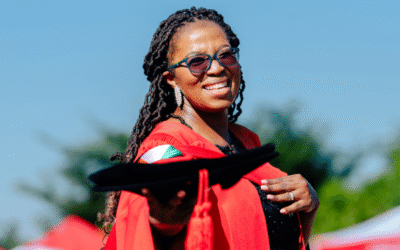
Meet Your Colleague: Nompumelelo Gumede
Dr. Nompumelelo Gumede is passionate about making health communication more participatory and culturally grounded. Learn more about her research on youth-led interventions, arts-based methods, and why one-way messaging still fails African communities in this month’s Meet Your Colleague interview series.

Concerns over journalism education in Ghana
Journalism education in Ghana is a source of concern, so says Dr Richmond Acheampong, who lectures in journalism at the Christian Service University in Kumasi, Ghana.

New Publications in May 2025
Explore our latest list of new publications and articles that explore various facets of digital media, communication, social dynamics and other areas related to the African communications and media studies research community. From propaganda in digital media, public scholarship in the Mediterranean and African climate journalism to Africa-China relations and the evolution of Indigenous African communication systems in the digital age, each work offers urgent insights for media and communication scholars across Africa and elsewhere.
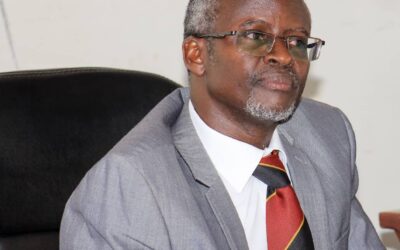
Meet Your Colleague: William Tayeebwa
Whether in a lecture hall, a research fellowship abroad, at conferences, and beyond, Dr. William Tayeebwa is committed to using media to tip the scales towards peace. As Senior Lecturer in journalism and communication at Makerere University in Uganda, where he led the department for six years until 2020, Tayeebwa says: “I love teaching because of the interactions with dynamic students whom you see transforming into amazing professionals.”
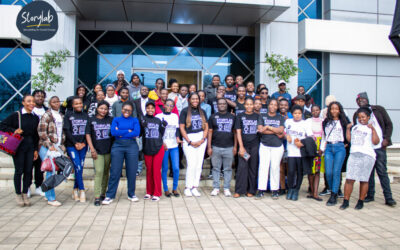
Storylab: How a student project in Malawi is changing reporting
By Johanna Mack Filling a gap in journalism education, empowering young media makers, and sparking social change in the process: These are the goals...
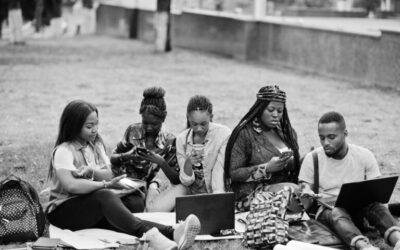
Rethinking media development: A conversation with Dr. Michel Leroy
Recent research challenges the comforting assumptions behind global efforts to support journalism in developing countries. In light of intensifying...

AI can be a useful tool in journalism education
As Artificial Intelligence rapidly evolves, journalism education is entering a new era of innovation. Professor Cindy Royal of Texas State University predicts that AI will not replace educators, but empower them to guide students toward lifelong learning, critical thinking and ethical use of AI tools.
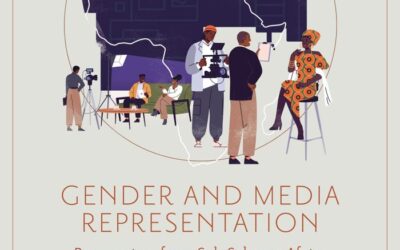
Restrictive gender stereotypes persist in Sub-Saharan media – research finds
Despite advances in legal rights, deep-rooted gender stereotypes still shape how women are portrayed in African media. “Gender and Media Representation: Perspectives from Sub-Saharan Africa,” an upcoming new book explores how news, radio, and digital platforms construct gender identities today.

New Publications in April 2025
Explore our latest list of new publications and articles that explore various facets of digital media, communication, social dynamics and other areas related to the African communications and media studies research community. From foundational dialogues with key African scholars, an exposé on deception in digital platforms to a critical rethinking of South African journalism’s colonial roots, each work offers urgent insights into power, history and the future of communication in Africa.
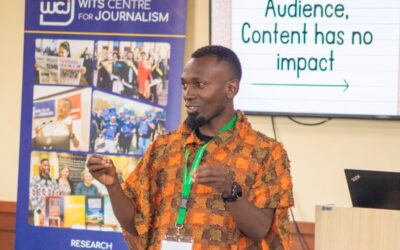
Power of Perspectives: How Women’s Leadership is Redefining Press Freedom in the African Media
The Journalism Students Network of Zimbabwe (JSNA) convened a virtual webinar themed “Power of Perspectives: How Women’s Leadership is Redefining Press Freedom in the African Media”, which brought together prominent women media leaders from across Africa to discuss this evolving dynamic.

Ajen Symposium Highlights Crucial Role of Campus Media
AJEN’s Campus Media Symposium highlighted the role of campus media as a practical training platform for students. Discussions emphasised challenges like censorship, limited resources and lack of support. Experts stressed the need for improved infrastructure, policy support and greater institutional recognition to enhance campus media effectiveness.
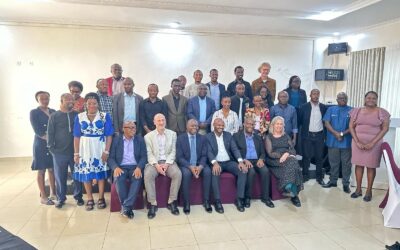
Rwandan Academics Launch Journalism Education Network
Rwandan journalism and communication educators have launched the Rwanda Journalism Education Network (RJEN), which plans to engage with the media industry to align journalism education with job market needs and improve journalism standards in the country.